
Walk through Trogir Old Town with a clear route
Trogir Old Town brings together the main square, cathedral, loggia, town hall and waterfront within the historic island city. It has been a UNESCO World Heritage Site since 1997, with an ancient street pattern and buildings shaped by several cultural influences. A walk is a useful way to understand how those places relate before choosing which interiors deserve more of your attention.
Start with the northern gate as an orientation point, continue towards the main square, and then connect the churches with the Riva and Kamerlengo. This is a suggested sequence for an independent visit, rather than a promise that every guided product follows the same itinerary. A licensed guide adds interpretation, while a self-guided walk lets you organise your own stops. Keep the decision about entering individual buildings separate from the general city route.
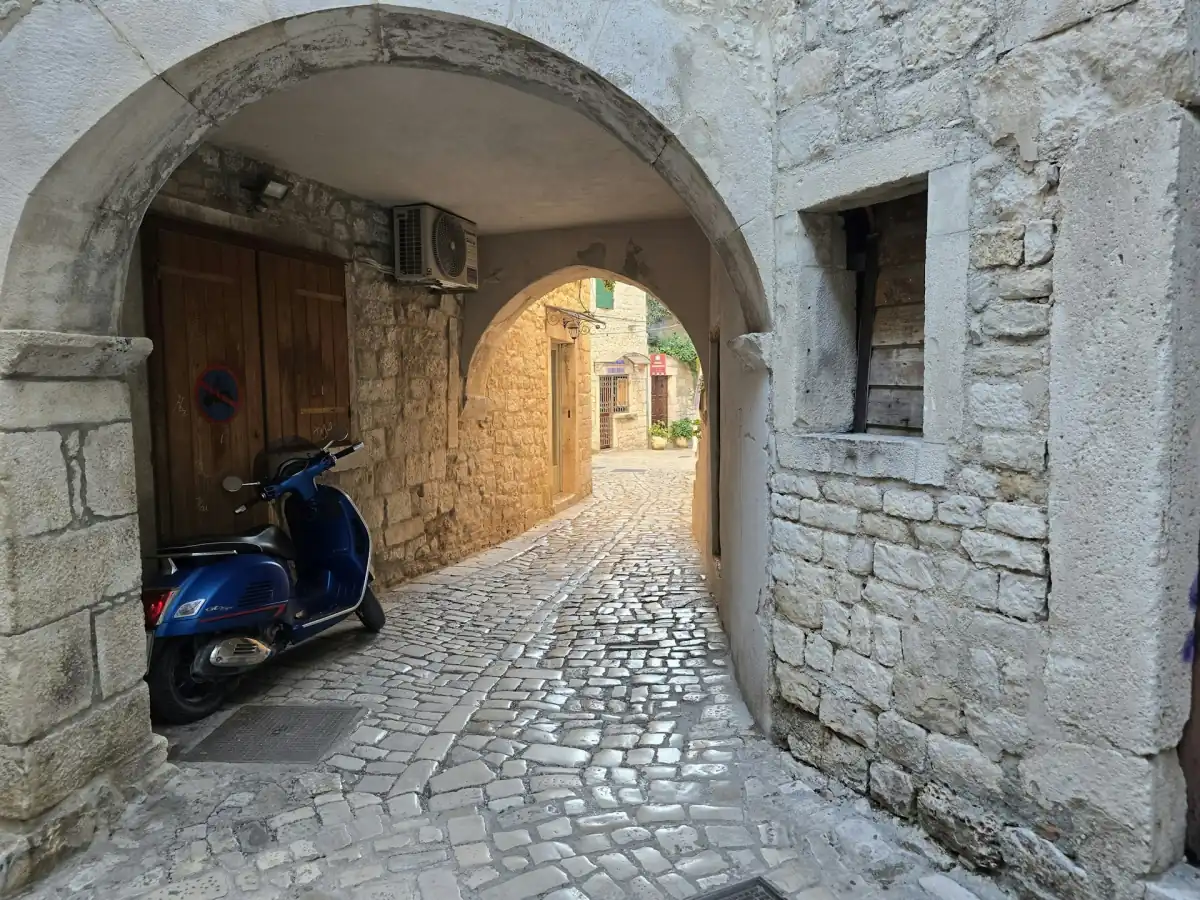
Guided Old Town walks
Choose a local guide for the historic streets. The private option of one walk includes cathedral and fortress tickets.
Hand-picked tours, booked through GetYourGuide and Viator. Prices are indicative starting prices in euros (as of October 2026). Tap a tour for live availability and the current price in your currency.
Trogir walk with group or private option
- Local licensed guide
- Small group option
Cathedral and fortress tickets are included only in the private option; they cost extra with the small group.
Check availability →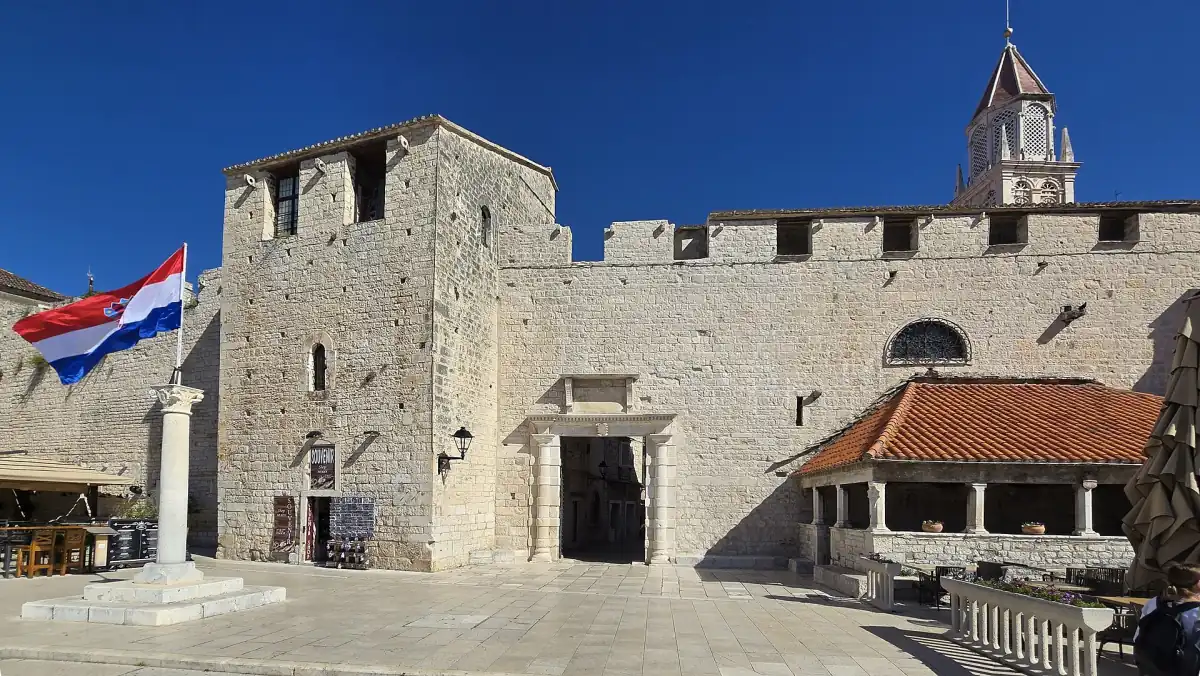
Old Town walk with a local guide
- Licensed local guide
- Stroll through Old Town
See the cathedral and Kamerlengo from outside; admission is not included.
Check availability →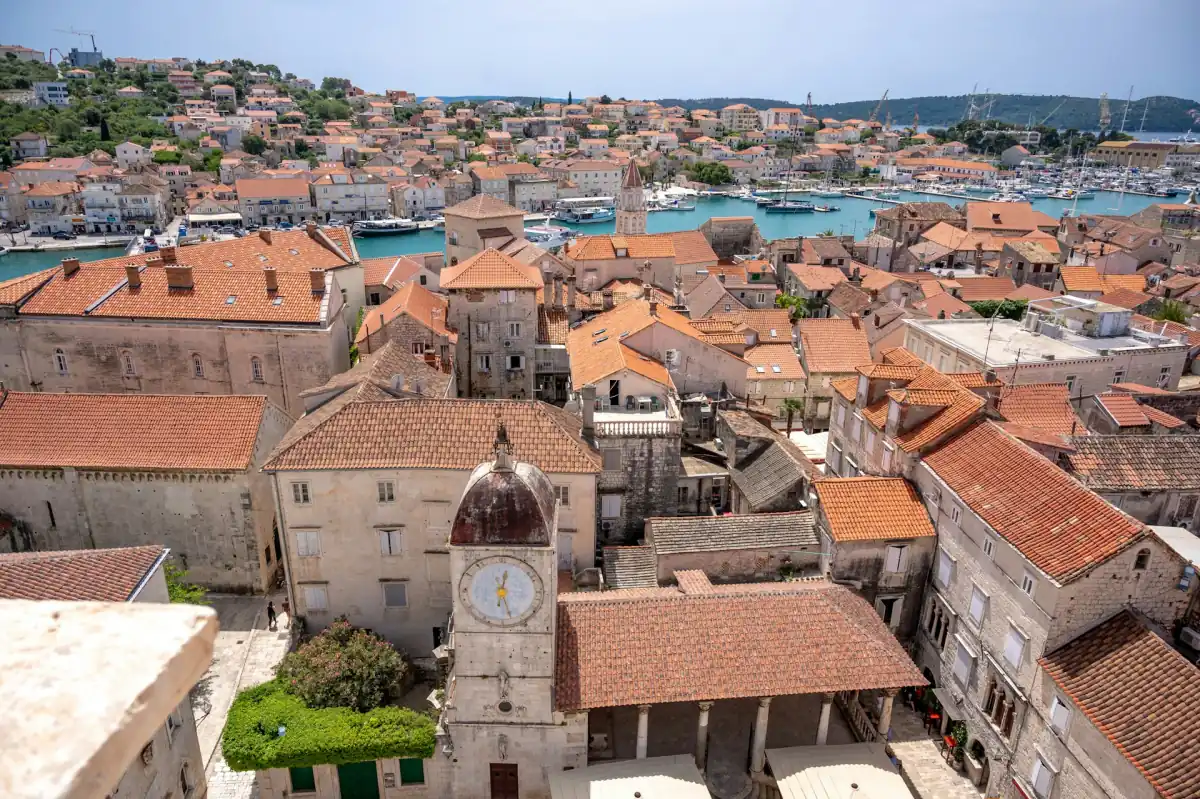
Trogir walk with a licensed guide
- Licensed guide
Explore the historic town with a local guide.
Check availability →Guided walks through the historic city
Choose an Old Town introduction with a licensed guide or the private option that includes cathedral and fortress admission. Compare the actual format before planning interiors.
Things to do in Trogir around the main square
Use the main square to pause and look at the relationship between religious and civic buildings. The cathedral, loggia and town hall offer distinct points of interest rather than interchangeable photo stops. The loggia contains the relief of Petar Berislavić by Ivan Meštrović, completed in 1938. That detail also shows why the city should be read through more than a single historical period.
The cathedral guide is the place to continue with the portal, chapel and construction history. On this walk, decide whether you want to spend time on those details or simply understand the cathedral’s role in the square. A general walk can give a city introduction; an interior visit needs its own attention and a ticket arrangement that fits the chosen experience.
Churches, lanes and the waterfront
Continue the walk with St John the Baptist and St Nicholas as additional historic stops. The city’s streets and buildings reflect Romanesque, Gothic, Renaissance and Baroque elements, with cultural influences extending beyond Venice. Let that variety guide your looking: the value of the walk comes from noticing differences between buildings as well as the continuity of the street pattern.
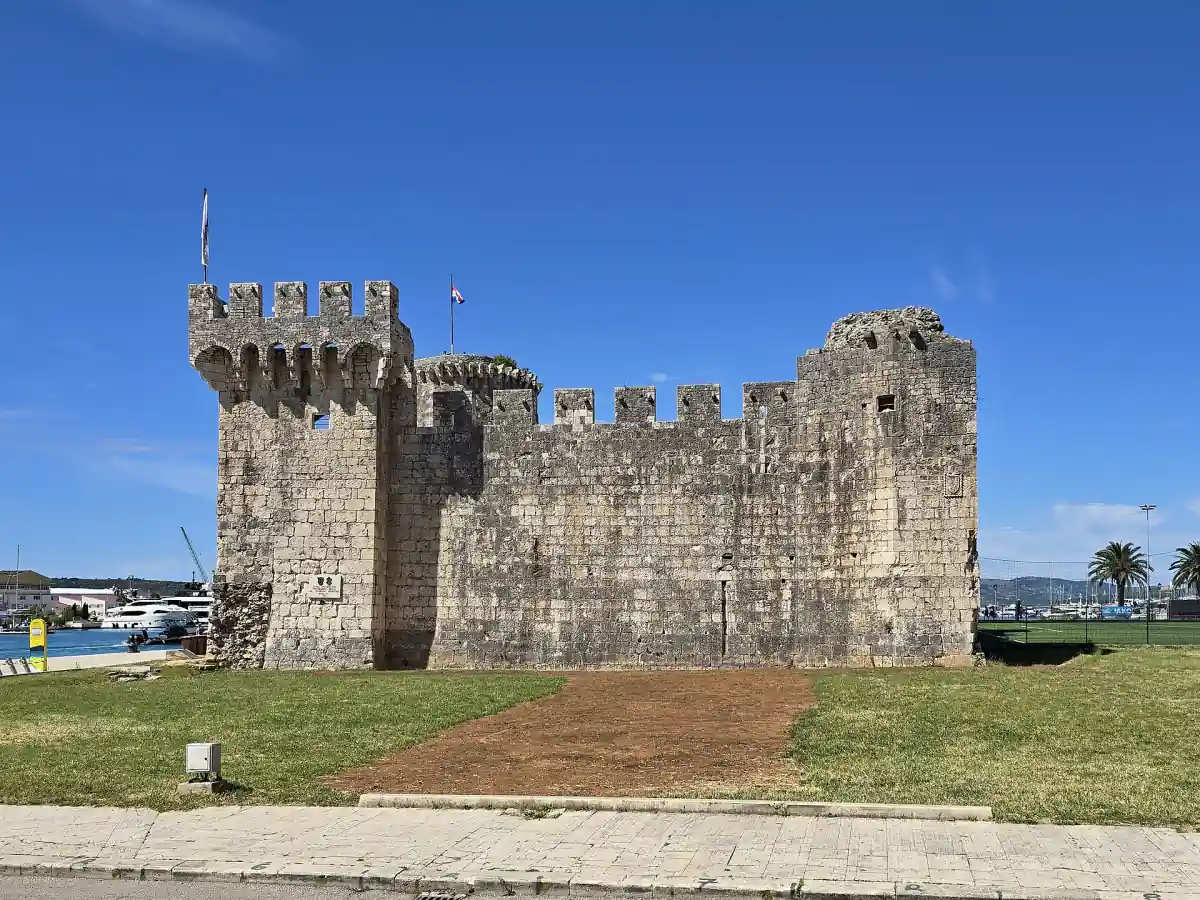
At the Riva, shift from the streets to the waterfront. Kamerlengo introduces a fortress into the sequence after the churches and civic architecture. Use the Kamerlengo guide if you want to add an interior visit. For a city walk mentioning the fortress without an admission inclusion, plan to appreciate it from outside. A boat meeting point beside Kamerlengo is a departure instruction for that boat outing.
A Trogir walking tour and its admission choices
The hour-and-a-half Old Town walk begins at the northern gate and includes a licensed local guide. It names the cathedral and fortress among its sights; use an exterior visit as the basis for your plan. The separate private-or-group walk starts at Gradska vrata 6 and also lasts an hour and a half. Cathedral and Kamerlengo entrance tickets belong specifically to its private option. The lower small-group price should be compared as that group format.
Another local introduction lasts 90 minutes, includes a licensed guide and meets at the main gates beside the small bridge. Choose it for a guided city experience, keeping specific attraction admission as a separate consideration. If you are mainly deciding between an organised introduction and your own route, compare how much interpretation you want at the square and along the streets.
Architecture and time after the walk
Personal master marks, building signs, scratched prayers and game boards are part of the city’s architectural story, associated with the cathedral and St John the Baptist. They offer a way to think about the people who made and used these spaces. For the broader chronology, follow the history guide rather than trying to turn every stop into a complete account of the city.
After the walk, keep your next activity geographically clear. The Čiovo guide covers Okrug and its coastal locations, while the boat guide compares island outings. If you are continuing by public transport, allow time to reach the relevant departure point. A city walk, an interior visit and a boat trip involve different practical arrangements, even when they all feature the same waterfront in photographs.
Planning your Old Town visit
Does a walking tour include cathedral entry?
The private option of the private-or-group walk includes cathedral and Kamerlengo entrance tickets. Compare that inclusion separately from the small-group price and from exterior walking tours.
Can I follow a route independently?
Use the gate, main square, churches and Riva as a suggested sequence. Add individual interiors according to your interests and their visit arrangements.
Is Trogir simply a Venetian city?
Venetian influence is one part of its history. The city also reflects Greek, Roman, Byzantine and Hungarian cultural influences, with several architectural styles visible in its buildings.